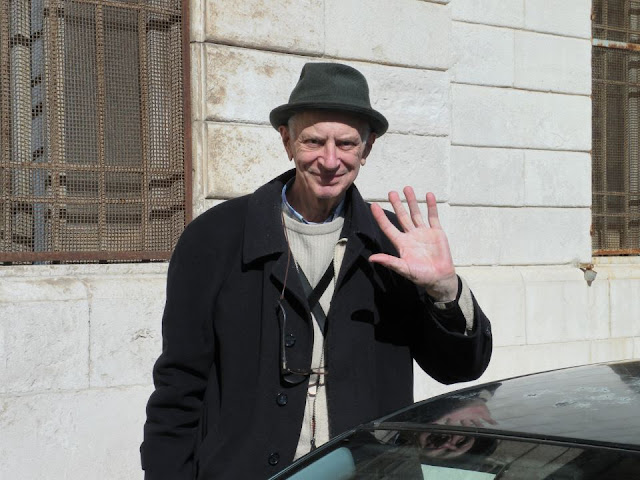
"Lent, Faith, and the Temptations of Christ: Reading Kazantzakis and Dupont in Dialogue" by Carlo Coppola

Մեծ պահքը, հավատքը և Քրիստոսի գայթակղությունները. Կազանձակիսի և Դյուպոնի երկխոսությունները կարդալը: Կառլո Կոպպոլայի հոդված
The season of Lent invites reflection, silence, and an honest confrontation with human fragility. It is a time when literature and theology can become companions on the spiritual journey. Two very different works — a novel and an exegetical study — united only by the similarity of their titles, emerge as valuable guides capable of provoking questions and deepening dimensions of faith that authentic Christianity has never feared to explore.
In 1955, the Greek writer from Candia, Nikos Kazantzakis, already internationally known for Zorba the Greek, published The Last Temptation of Christ, a novel that generated intense controversy across several Christian Churches.
Kazantzakis, a writer marked by a deeply troubled faith, drew inspiration from the Christological vision of Fyodor Dostoevsky and the philosophical intuition of Henri Bergson. His work explores the humanity of Jesus by pushing to its extreme a question that has long troubled certain believers: if Christ could have chosen differently, what choices might He have made?
In the novel, Jesus is fully divine yet profoundly human — a man who experiences uncertainty, doubt, and spiritual struggle. A carpenter in Nazareth, he builds crosses for the Roman authorities, already sensing the symbolic weight of the instrument he will one day carry himself.
The “last temptation” is not the one in the desert but a vision experienced during the agony on the Cross: the dream of an ordinary life — a home, Mary Magdalene as wife, children, and peaceful old age within the familiar idyll of family existence. An angel, later revealed to be Satan, offers this escape. Christ lives this alternative life in a dream that lasts years, until, as an old man, he encounters the apostles still proclaiming His death and resurrection. Only then does He awaken, recognize the deception, and freely choose the Cross.
The strength of Kazantzakis’ novel lies in its grasp of a central Christian truth: the freedom of Christ stands at the heart of the Christian mystery, mirroring the Fiat pronounced by Mary at the Annunciation. Without freedom, obedience would be mechanical and love impossible. Classical Christian theology — from Maximus the Confessor to Thomas Aquinas — has always insisted on the authenticity of Christ’s human will.
Yet the novel raises significant theological concerns. Kazantzakis portrays Judas almost as a positive figure, entrusted by Jesus with the task of betrayal — an interpretation without direct grounding in the Gospel texts and one requiring careful contextualization. At times, Christ’s psychology appears shaped by a dualism between flesh and spirit closer to Gnostic thought than to Christian theology. Sexuality is treated with stark realism, not vulgar but distant from the theology of the Incarnation. Finally, the Resurrection occupies a surprisingly marginal place, reduced almost to a secondary narrative element, difficult to reconcile with orthodox Christian understanding.
Jacques Dupont and the Scientific Study of the Desert Temptations
Perhaps as an implicit response to such imaginative reinterpretations, the Benedictine monk and biblical scholar Jacques Dupont offered a rigorous academic approach in Les tentations de Jésus au désert (1968).
Using philological and historical methods, Dupont analyzes the Gospel accounts of Jesus’ temptations in the desert (Matthew 4:1–11; Luke 4:1–13; Mark 1:12–13), demonstrating how each evangelist shaped the episode according to specific theological intentions.
For Dupont, the temptations are not merely biographical episodes but a decisive moment defining Christ’s mission. The confrontation with the devil reinterprets Israel’s experience in the wilderness: Jesus appears as the faithful Son where Israel had been unfaithful. Even Christ’s quotations from Deuteronomy reveal a profound meditation on salvation history rather than spontaneous replies.
For readers approaching these texts during Lent, Dupont provides concrete interpretive tools:
-
The temptation to turn stones into bread symbolizes the risk of reducing mission to mere social assistance.
-
The leap from the Temple pinnacle reflects the seduction of spectacular miracles and religious sensationalism.
-
The offer of worldly kingdoms represents political power capable of corrupting prophetic vision.
If one criticism may be raised, it is that Dupont wrote primarily for scholars rather than general readers. His technical prose, stimulating for specialists, may appear demanding to those unfamiliar with biblical exegesis. Yet those who persevere encounter a reading that is biblically profound, historically grounded, and spiritually illuminating.
Placed side by side, the differences between the two authors become clear:
-
Kazantzakis provokes, disturbs, and dares — sometimes excessively.
-
Dupont clarifies, grounds, and reassures through disciplined scholarship.
Kazantzakis throws the stone but hesitates to extend the hand; Dupont offers explanation and removes uncertainty. One risks bold imagination; the other embodies measured depth.
Read together during Lent, the two works complement one another. Kazantzakis restores the living humanity of Christ, while Dupont demonstrates its theological and biblical foundations. A believer endowed with critical spirit and intellectual curiosity may appreciate both, recognizing that mature faith does not fear difficult questions. Instead, it welcomes them — and, if necessary, sets aside what does not nourish the soul.