"Fasting and the table in the Byzantine Great Lent: meaning, practice, and practical guidance" by Carlo Coppola
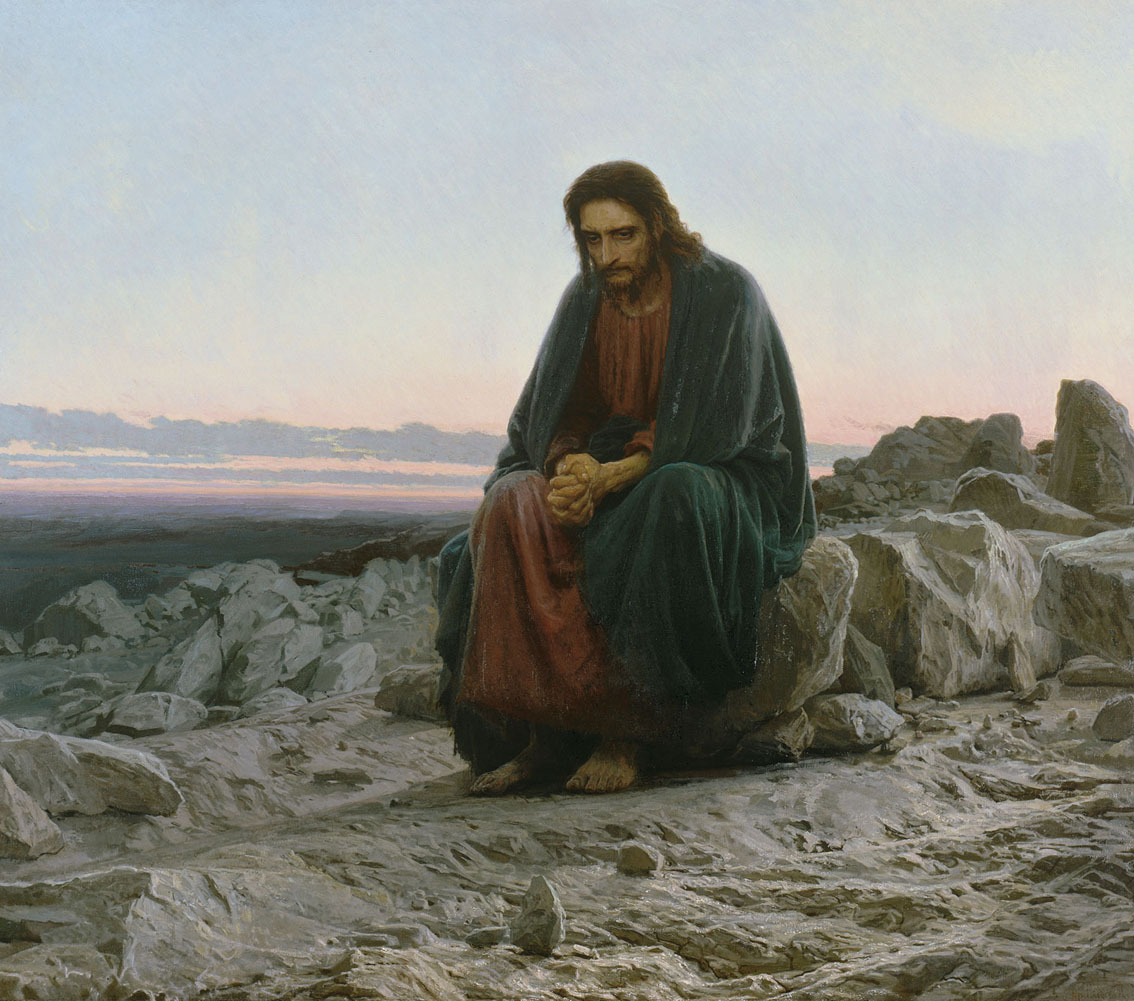
The Great and Holy Lent in the Byzantine Rite is one of the most intense spiritual seasons of the Christian liturgical year. It cannot be reduced to a mere religious diet; rather, it is a true ascetical journey that engages body, soul, and relationships together. Fasting from food carries a deeply pedagogical value: it educates the heart in inner freedom, resizes superfluous needs, and gradually prepares the faithful for the Paschal encounter with Christ.
In the Byzantine tradition, fasting is never understood as punishment or self-mortification for its own sake. The Eastern Fathers of the Church teach that abstinence from food serves primarily to combat selfishness, foster spiritual vigilance, and awaken the believer’s conscience. The human person is called to rediscover what is essential: prayer, charity, and conversion of heart. For this reason, fasting is inseparable from works of mercy. Eating less must concretely become the capacity to share more.
The dietary prescriptions of the Byzantine Great Lent are traditionally precise, though always applied with personal discernment and under the guidance of one’s spiritual father. In general, abstinence from meat is observed throughout the entire Lenten period, together with the renunciation of dairy products and eggs. Fish is permitted only on certain major liturgical feasts. On many weekdays, even oil and wine are restricted, and in monasteries it is common to partake of a single main meal per day. The resulting diet is largely plant-based, centered on legumes, grains, vegetables, nuts, fruits, and bread—recalling the simplicity of the earliest Christian communities.
Yet the Eastern Church, by its very nature, avoids rigid legalism. The elderly, the sick, children, or those engaged in physically demanding work may adapt these norms, since the goal is not ascetical performance but spiritual growth.
For those approaching Byzantine fasting today, gradualness is essential. Sudden changes should be avoided, and meals should be thoughtfully planned to ensure balance—favoring plant proteins and simple yet nourishing dishes. Fasting acquires meaning only when accompanied by daily prayer, even if brief, and by concrete acts of charity, transforming what is saved at the table into attentive care for others.
Byzantine tradition reminds us that true fasting does not consist solely in abstaining from certain foods, but also in renouncing anger, judgment, and indifference. The Lenten table thus becomes a school of inner freedom: less immediate gratification, more space for God, gratitude, and fraternal communion. In this way, an ancient spiritual discipline continues to speak with surprising relevance to the contemporary world.
Carlo Coppola