"The Canonical Commission on the Code of the Eastern Churches Begins Its Work" by Carlo Coppola
La versione italiana di questo articolo di Carlo Coppola si trova su "In Città Giovinazzo" diretto dal prof. Antonio Calisi al seguente indirizzo:
Արևելյան եկեղեցիների կանոնական իրավունքի կանոնագրքի հանձնաժողովը սկսում է իր աշխատանքը։ Ներկա է նաև Բարիից դոմինիկյան գիտնական Հայր Լորենցո Լորուսոն. Կառլո Կոպպոլայի հոդված.
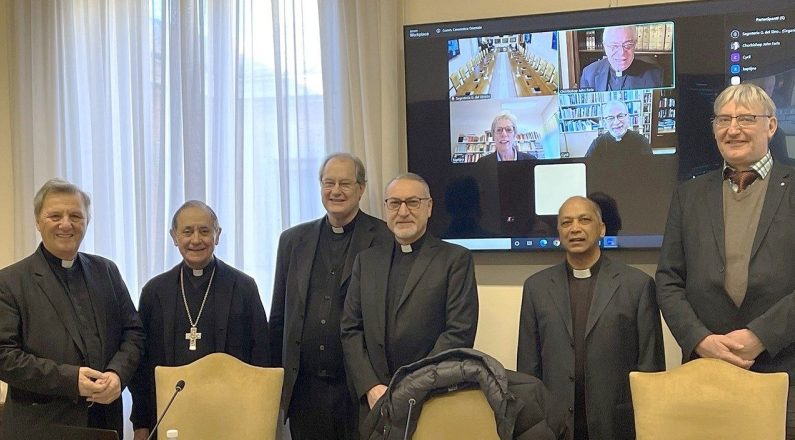
Among Members: Dominican Scholar from Bari, Fr. Lorenzo Lorusso
The synodal journey of the Catholic Church has reached another significant milestone with the establishment of the Canonical Commission for the Code of Canons of the Eastern Churches. The new body, instituted by the General Secretariat of the Synod of Bishops, held its first session on 20 February 2026 at the Vatican headquarters dedicated to the synodal process.
The Commission has been entrusted with drafting proposals for the revision of the Code of Canons of the Eastern Churches (CCEO), in light of the directions emerging from recent synodal documents, particularly the 2023 Synthesis Report and the 2024 Final Document. This initiative represents a concrete step toward translating the ecclesial vision of synodality into juridical structures capable of supporting communion, participation, and mission.
The creation of the Commission responds to requests made by several Heads of the Catholic sui iuris Churches, who emphasized the need for the distinctive juridical traditions of the Eastern Churches to be properly represented and safeguarded during such a decisive phase of canonical renewal. It affirms that ecclesiastical law is not merely technical regulation, but an expression of the living identity of ecclesial communities and of their mission within a synodal Church.
The Commission is chaired by Cardinal Mario Grech, Secretary General of the Synod of Bishops, while its work is coordinated by Archbishop Juan Ignacio Arrieta Ochoa de Chinchetru, Secretary of the Dicastery for Legislative Texts. The appointed members—selected among leading experts in Eastern canon law and consultors of both the Dicastery for Legislative Texts and the Dicastery for the Eastern Churches—are:
- Rev. Fr. Prof. Sunny Thomas Kokkaravalayil, S.J., Pro-Dean of the Faculty of Eastern Canon Law at the Pontifical Oriental Institute (and Vice-Rector of the Pontifical Gregorian University);
- Rev. Fr. Prof. Lorenzo Lorusso, O.P., Professor at the Faculty of Eastern Canon Law of the Pontifical Oriental Institute and former Undersecretary of the Dicastery for the Eastern Churches;
- Prof. Pablo Gefaell Chamochin, Professor of Eastern Canon Law at the Pontifical University of the Holy Cross;
- Prof. Astrid Kaptijn, Professor of Canon Law at the University of Fribourg and consultor to the Dicastery for the Eastern Churches;
- Prof. Péter Szabó, Professor of Canon Law at the Catholic University of Budapest and consultor to the Dicastery for the Eastern Churches;
- Archbishop Cyril Vasil, S.J., Archbishop of Košice for Byzantine Rite Catholics in Slovakia.
Within this context, particular pride and joy accompany the appointment of Fr. Lorenzo Lorusso O.P., a distinguished scholar of Eastern canon law and a native of Bari. His nomination represents not only a personal recognition but also an honor for the Basilica of Saint Nicholas, the city of Bari, and the entire ecclesial community of Apulia. His presence reflects the longstanding Dominican commitment to theological scholarship and ecclesial service, while also highlighting the qualified contribution of Southern Italy to the international development of canon law.
Working in continuity with the synodal vision, the Commission aims to transform the insights that emerged during the synodal process into concrete normative proposals. Its activity remains open to contributions from the sui iuris Churches, episcopal conferences, Catholic universities, ecclesial institutions, and the faithful themselves. The outcome of this work is expected to mark an important stage in the future of the law governing the Eastern Catholic Churches, serving both ecclesial communion and the universal mission of the Church.


