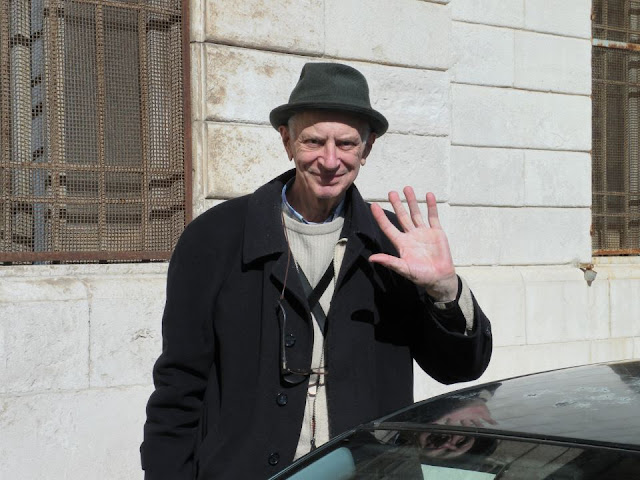
"Béla Tarr has died: a Filmmaker who taught us how to taste time" by Carlo Coppola

La versione italiana di questo articolo di Carlo Coppola si trova su "In Città Giovinazzo" diretto dal prof. Antonio Calisi al seguente indirizzo:
«Մահացել է Բելա Տարը. կինոռեժիսոր, որը մեզ սովորեցրեց համտեսել ժամանակը»: Կառլո Կոպպոլայի հոդված.
by Carlo Coppola – 9 January 2026
With the death of Béla Tarr, which occurred on 6 January in Budapest, cinema loses one of its most radical and quiet voices. An internationally renowned Hungarian director, Tarr was the author of works that profoundly shaped contemporary European cinema, distinguished by an unmistakable style marked by long takes, austere atmospheres, and an unrelenting meditation on the human condition.
Films such as Sátántangó, Werckmeister Harmonies, and The Turin Horse do not merely tell stories: they ask the viewer to slow down, to inhabit time, to dwell in waiting. In an age dominated by speed and fragmentation, Tarr’s cinema stood as a form of cultural resistance—almost a spiritual discipline of vision.
The director also had a personal connection with our region. Several years ago, he was a guest in Bari, invited for a public conversation and a special screening as part of a festival dedicated to European auteur cinema. On that occasion, Tarr engaged the audience in a dialogue about the meaning of time in film and the moral responsibility of the filmmaker, leaving a lasting impression through the sobriety and depth of his thought.
Although never explicitly religious, his cinema has often been associated with an Eastern Christian sensibility—not because of overt symbols, but through the use of silence, repetition, and duration as paths to knowledge. As in Eastern liturgy, where slow gesture leads to contemplation, in Tarr’s films time itself becomes a way of access to the mystery of existence.
His characters inhabit a wounded world, often devoid of visible redemption. Yet it is precisely in this radical stripping-away that a form of truth emerges: a kind of kenosis, a self-emptying that points to a spiritual vision of humanity called to dwell within limitation, without illusions.
After retiring from filmmaking in 2011, Tarr devoted himself to the education of young directors. His passing marks the end of a season that may be impossible to repeat: that of a cinema that did not seek to entertain, but to question.
What remains is his most urgent lesson: to learn how to look without haste, to accept silence, and to recognize that even within darkness a form of light may be hidden.
Carlo Coppola